Fencing Built for Security and Long-Term Use
Chain Link Fencing in Cheyenne for properties needing boundary control, pet containment, or perimeter security
Rhodes Fencing & Staining installs chain link fencing across Cheyenne and surrounding Wyoming areas for residential yards, commercial properties, and sites where security and durability matter more than decorative appearance. You need a barrier that marks boundaries clearly, keeps pets contained, and holds up to wind, weather, and impact without requiring frequent repairs. Chain link delivers those outcomes through galvanized steel construction that resists rust and structural failure even under continuous outdoor exposure.
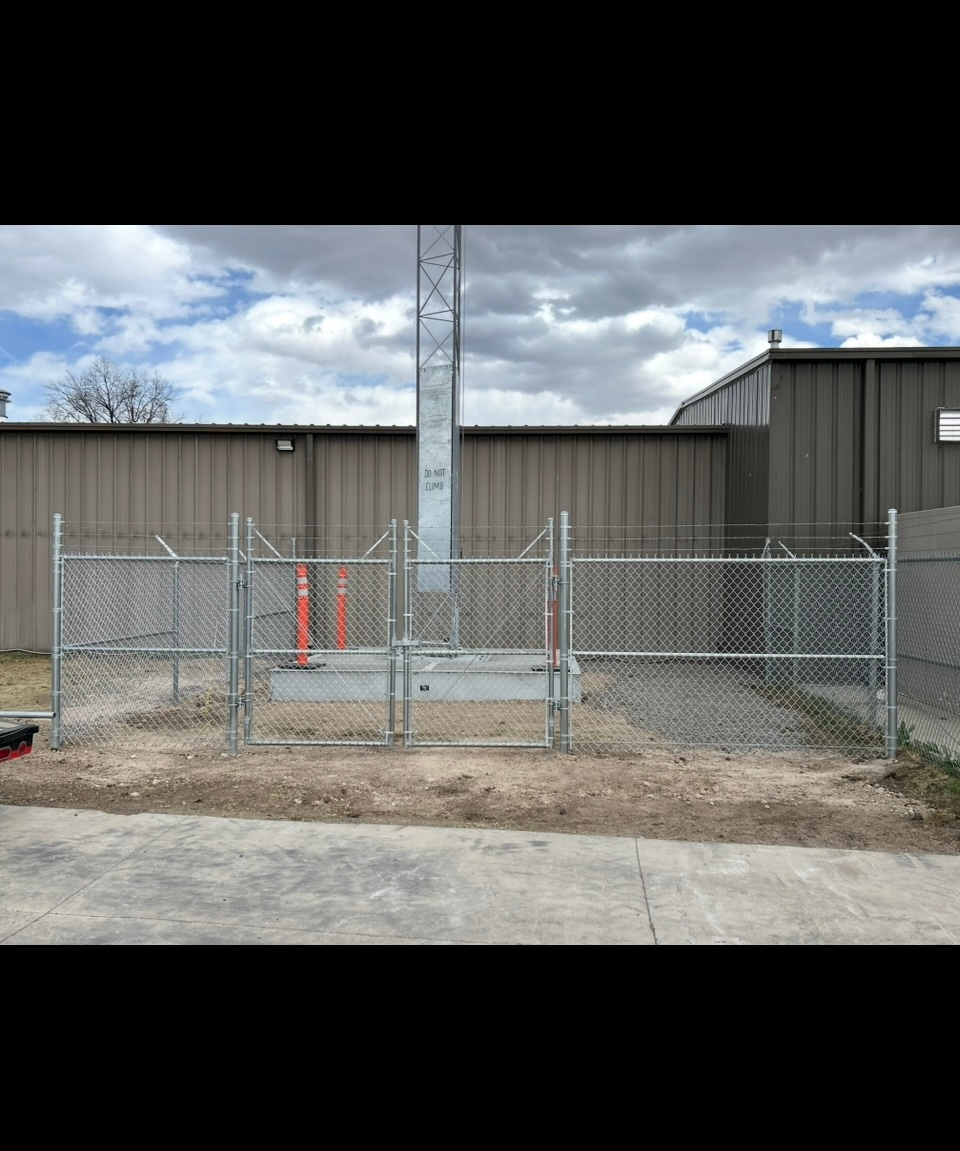
The fencing consists of woven steel wire fabric stretched between terminal posts set in concrete, with line posts spaced at intervals to maintain tension and prevent sagging. Galvanized finishes protect the steel from corrosion, while vinyl-coated options add color and additional rust resistance in areas with moisture exposure. Privacy slats can be woven through the fabric to reduce visibility and wind penetration, converting an open fence into a semi-private barrier without replacing the entire structure.
Schedule a property evaluation to determine fence height, gate placement, and finish options based on your site conditions.
What You Notice Once Installation Completes
Chain link installation begins with terminal post placement at corners and gate locations, followed by line posts set at eight- to ten-foot intervals depending on fabric height and wind load considerations. The steel fabric is then unrolled, attached to one terminal post, stretched tight using a come-along or stretcher bar tool, and secured to each line post with tension bands or hog rings. Gates are hung on hinges and fitted with latches that align correctly under tension, preventing binding or sagging over time.
After Rhodes Fencing & Staining completes the work, you see a taut barrier with no waves or sags in the fabric, terminal posts that do not shift when pushed, and gates that swing freely without scraping the ground or sticking in the latch. The fence line follows property boundaries or planned routes without gaps at grade changes, and the galvanized or coated finish shows consistent coverage with no exposed steel at connection points.
Chain link requires minimal upkeep beyond occasional hose rinsing to remove dust and checking tension if fabric loosens from impact. The system does not rot, warp, or require paint, and damaged sections can be repaired by replacing individual fabric panels or posts rather than rebuilding entire runs. Lifespan typically extends beyond two decades when galvanized materials are used and installation follows proper tension and post-setting standards.
Property owners in Cheyenne often ask about finish options, height requirements, and how the fencing performs in wind-prone areas common to the region.
Questions Before Starting Your Fence Project
What is the difference between galvanized and vinyl-coated chain link?
Galvanized chain link uses a zinc coating applied during manufacturing to prevent rust, resulting in a silver-gray appearance and lower cost, while vinyl-coated versions add a colored polymer layer over the galvanized steel for additional corrosion resistance and color options like black, green, or brown.
How does chain link hold up to Wyoming wind conditions?
Properly tensioned fabric and terminal posts set in concrete to frost depth prevent the fence from leaning or fabric from tearing loose during high winds, and the open weave allows wind to pass through rather than creating the solid surface resistance that damages privacy fences.
When should privacy slats be added during installation?
Slats can be woven into the fabric immediately after installation or added later, but installing them during the initial setup ensures even spacing and reduces labor time compared to retrofitting on an existing fence.
What height works best for pet containment?
Most residential applications use four-foot fabric for small to medium dogs, while six-foot heights prevent jumping by larger breeds or athletic animals that can clear shorter barriers.
How long does chain link installation typically take?
A standard residential perimeter fence can often be completed in one to two days depending on soil conditions, terrain changes, and the number of gates required, with commercial projects requiring additional time based on footage and site access.
Rhodes Fencing & Staining handles site layout, material selection, and installation for chain link systems throughout Cheyenne, ensuring proper tension and post stability for long-term performance. Request a detailed estimate based on your property dimensions and security requirements.