Reinforced Barriers for Equipment and Restricted Areas
Security Fencing in Cheyenne for commercial sites, storage yards, and properties requiring reinforced perimeter protection
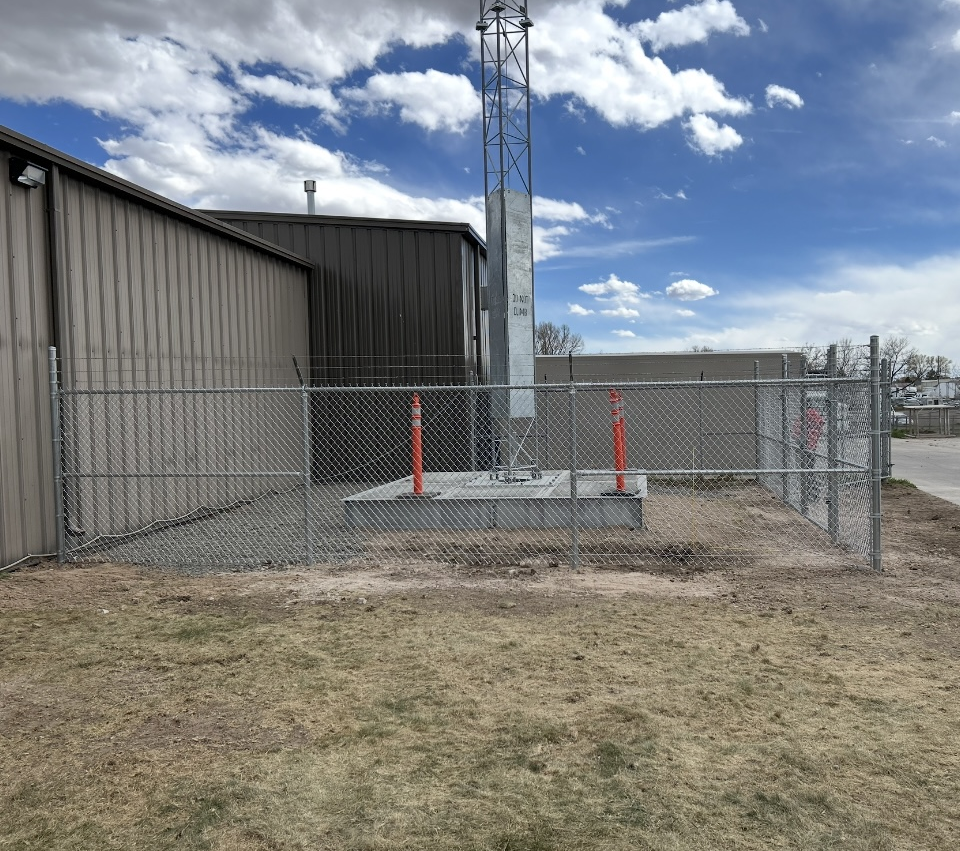
Standard residential fencing uses materials and installation methods optimized for appearance and basic boundary marking, which fail when the goal shifts to preventing forced entry, protecting high-value equipment, or securing areas where unauthorized access creates liability or theft risk. Rhodes Fencing & Staining installs security fencing for light commercial properties, storage facilities, and residential sites in Cheyenne where the barrier must resist cutting, climbing, and impact attempts that would compromise lighter fence systems. The reinforced construction uses heavier-gauge materials, closer post spacing, and installation techniques that eliminate common failure points exploited during intrusion attempts.
Security fencing typically employs chain link with smaller mesh openings and thicker wire, or welded wire panels with minimal spacing between horizontal and vertical wires. Posts are set deeper than residential standards and often filled with concrete to prevent leveraging or uprooting. Top rail adds rigidity that prevents fabric from being peeled back, and barbed wire or other deterrents can be integrated where regulations allow and the application justifies added security measures.
Arrange a property assessment to identify access points, determine appropriate fence height, and review gate hardware for controlled entry.
How Security Fencing Addresses Intrusion Risk
Installation begins with perimeter planning to eliminate gaps at grade changes, building edges, or corners where fencing terminates. Posts are embedded deeper than frost line and spaced closer together to reduce span length, which limits flex and prevents fabric or panels from being pushed inward or pulled outward enough to create passage gaps. Gates receive reinforced frames, heavy-duty hinges, and locking mechanisms that resist prying or bolt cutting, with some installations incorporating slide bolts or padlock hasps for secondary securing.
Once Rhodes Fencing & Staining completes the installation, you notice a perimeter with no climbable horizontal elements within reach, fabric or panels pulled tight with no sag or wave that would allow lifting, and gates that require deliberate unlocking rather than simply pushing open. The fence line connects to buildings, existing structures, or natural barriers without gaps large enough for entry, and terminal posts resist movement when force is applied.
Security fencing does not guarantee prevention of all intrusion attempts, but it increases the time, tools, and noise required to breach the perimeter, which deters opportunistic entry and provides observable evidence of tampering. The system integrates with lighting, cameras, and alarm contacts when comprehensive site protection is required. Maintenance focuses on checking tension, inspecting gates and locks for wear, and ensuring vegetation or debris does not create climbable stacking near the fence line.
Security fencing questions often focus on material strength, height effectiveness, and how the installation handles vehicle access and delivery.
What Property Owners Usually Ask
What wire gauge is used for security-grade chain link?
Security chain link typically uses nine-gauge wire instead of the eleven-gauge standard for residential fencing, providing greater resistance to cutting with hand tools and reducing the chance of wire breaking under impact or climbing stress.
How does fence height affect security performance in Cheyenne installations?
Six-foot fencing deters casual climbing but remains accessible with moderate effort, while eight-foot heights significantly increase difficulty and time required to scale, especially when combined with smooth top rail that offers no grip points for pulling over.
When should gates include vehicle access versus pedestrian-only entry?
Sites with regular deliveries, equipment movement, or maintenance vehicle access require wider swing or slide gates with reinforced frames to handle repeated use and prevent alignment issues, while pedestrian-only sites benefit from narrower gates that reduce cost and potential failure points.
What is the difference between welded wire and chain link for security applications?
Welded wire panels use intersecting wires joined at each contact point, creating a rigid surface harder to climb than flexible chain link, though chain link better absorbs impact without cracking welds and costs less for equivalent perimeter footage.
How do Wyoming wind conditions affect security fence installation?
High wind areas require reduced post spacing and concrete footings rather than driven posts to prevent leaning or fabric tearing loose, with top and bottom rails added to distribute wind load evenly across the entire fence section instead of stressing individual attachment points.
Rhodes Fencing & Staining evaluates site-specific security requirements throughout Cheyenne, designing fence systems that balance protection level with budget and site access needs. Request a consultation to review material options, gate configurations, and reinforcement details for your property.