Gates That Handle Constant Use Without Failing
Heavy-Duty Gate Hardware Upgrades in Cheyenne for gates that sag, bind, or fail under repeated operation
Rhodes Fencing & Staining upgrades hinges, latches, and support hardware on gates that have become difficult to operate or show visible wear from daily use. Large gates and high-traffic entry points eventually overwhelm standard hardware, causing alignment issues and premature failure. In Cheyenne, where wind and temperature swings place additional stress on gate systems, upgrading to heavy-duty components addresses both structural wear and environmental demands.
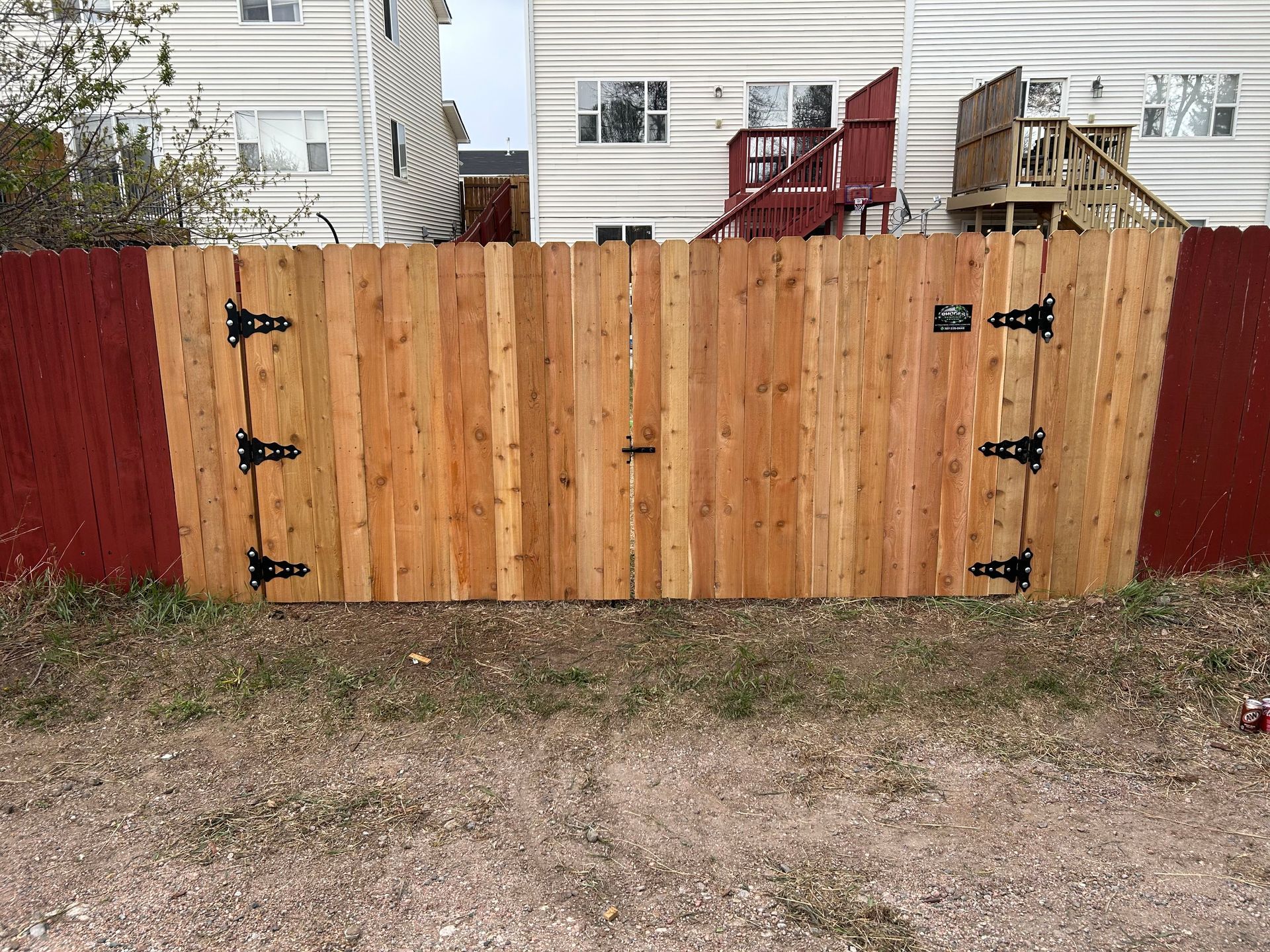
This service replaces undersized or corroded hardware with reinforced hinges, commercial-grade latches, and adjustable brackets designed to support heavier loads and resist movement over time. The upgrades address common failure points: hinges that pull away from posts, latches that no longer align, and frames that twist under their own weight.
Schedule a property evaluation to review current gate hardware and identify specific upgrade needs based on gate size and usage patterns.
What Proper Hardware Upgrades Require
The upgrade process begins with assessing the current hardware configuration, post condition, and alignment issues. Rhodes Fencing & Staining installs hardware rated for the gate's weight and expected use cycle, including self-closing hinges for high-traffic areas and drop rods for tall gates that need ground stabilization. Fasteners are replaced with galvanized or stainless steel options to prevent rust-related loosening.
After installation, gates swing smoothly without dragging, latches engage without force, and posts remain plumb under load. Large gates no longer require lifting to close, and hardware maintains alignment through seasonal temperature changes that cause wood expansion and contraction.
The service supports both residential gates with frequent family use and light commercial applications where gates operate multiple times daily. Hardware selection depends on gate material, dimensions, and whether automatic operators will be added later.
Owners often ask about hardware durability and whether upgrades address existing alignment problems or just prevent future ones.
Questions Property Owners Ask Before Upgrading
What makes hardware heavy-duty compared to standard options?
Heavy-duty hardware uses thicker gauge steel, larger bearing surfaces, and corrosion-resistant coatings designed for gates over six feet tall or those operating more than ten times daily, whereas standard hinges and latches are rated for lighter residential use.
How do upgrades affect gates that already sag or bind?
The process includes realigning the gate frame and adjusting post position before installing new hardware, so existing operational issues are corrected as part of the upgrade rather than just replacing worn components.
What hardware considerations apply specifically in Cheyenne?
Wind load becomes a significant factor for gates in exposed locations, requiring hinges with wider mounting plates and latches that resist vibration from sustained gusts common across Wyoming's high plains.
When should commercial-grade hardware be used for residential gates?
Gates exceeding eight feet in height, double-gate configurations, or single gates wider than five feet benefit from commercial hardware due to the increased leverage and stress placed on mounting points.
How long does upgraded hardware typically last before requiring replacement?
Properly installed heavy-duty hardware on residential gates often functions for fifteen to twenty years without significant wear, compared to five to eight years for standard hardware under similar conditions.
Rhodes Fencing & Staining evaluates hardware needs based on your gate's current condition and how it's used daily. Request a consultation to review hardware options suited to your specific gate configuration and usage requirements.