
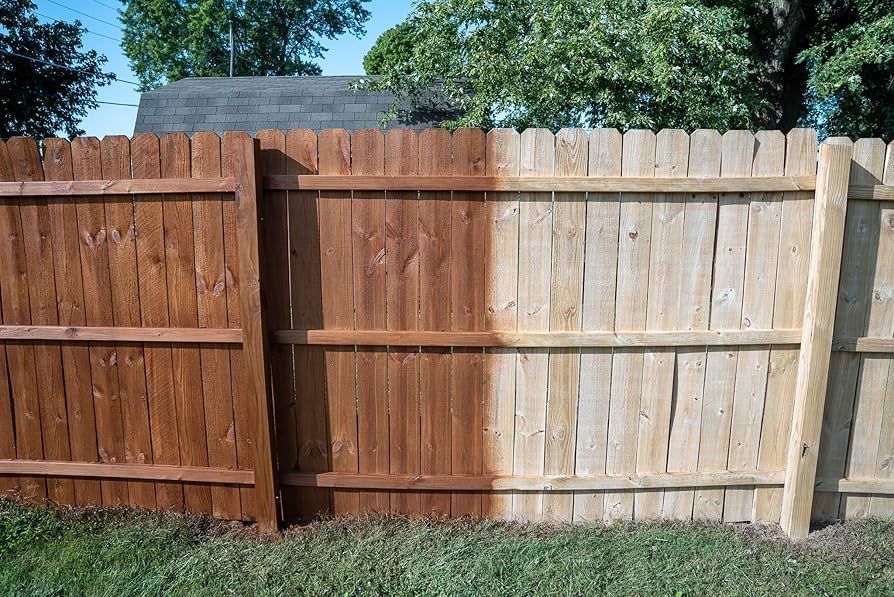
Wood Fences That Resist Weather Year After Year
Fence Staining & Sealing in Cheyenne for wood fencing exposed to intense sun, moisture, and temperature extremes
Wood fencing left untreated in Cheyenne develops surface cracks, gray discoloration, and grain separation within two seasons due to high-altitude UV exposure and rapid moisture cycling. Rhodes Fencing & Staining applies penetrating stains and sealants that protect against these specific conditions, preserving both the structural integrity and appearance of wood fencing. The treatment works on newly installed fences and existing structures showing early signs of weathering.
The process begins with surface preparation to remove dirt, mildew, and previous coatings that prevent proper absorption. Stain is applied in multiple directions to work product into the wood grain, followed by a sealing coat that repels water while allowing the wood to breathe. This combination reduces warping caused by moisture absorption and prevents the surface checking that occurs when dry wood rapidly absorbs water during storms.
Arrange an on-site consultation to review stain options that match your property's existing finishes and discuss timing based on current fence condition.
What Changes After Staining and Sealing
Stain options range from transparent sealers that show natural wood grain to semi-transparent and solid colors that provide increasing levels of UV protection. The choice depends on whether you want to maintain the wood's natural appearance or introduce uniform color while adding a protective barrier.
Once treatment cures, water beads on the surface rather than soaking in, and the wood maintains consistent color rather than fading to gray. Fences no longer develop the rough, splintered texture that comes from repeated wetting and drying cycles, and vertical grain lines remain tight without the widening gaps that signal moisture damage.
We use premium-quality wood stains designed to protect your fence from UV exposure, moisture, and weathering while enhancing its natural beauty. The longevity of a stain varies depending on factors such as sun exposure, weather conditions, wood type, and maintenance. In Cheyenne's climate, most stained fences benefit from maintenance every 1–3 years to keep them looking their best and properly protected.
Homeowners often want to understand how staining differs from painting and when treatment should happen relative to fence installation.
Common Questions About Fence Treatment
What is the difference between staining and painting a wood fence?
Stain penetrates the wood and allows moisture to escape, preventing trapped water that causes rot, while paint sits on the surface and can blister or peel when moisture moves through the wood from behind.
How soon after installation should a new fence be stained?
Most pressure-treated lumber needs sixty to ninety days of weathering before stain will properly absorb, but untreated cedar or redwood can be stained within two weeks of installation once construction moisture dissipates.
Why does stain wear differently on various parts of the same fence?
Sections facing south and west receive more UV exposure throughout the day, breaking down stain pigments faster than north-facing sections that remain shaded, which is particularly noticeable in Cheyenne's high-altitude sunlight.
What preparation is required before staining can be applied?
The wood surface must be clean, dry, and free of loose fibers, typically requiring pressure washing followed by forty-eight hours of dry weather to ensure the wood moisture content drops below the absorption threshold.
How does sealing affect the wood's ability to handle temperature changes?
Sealant reduces the rate at which wood absorbs and releases moisture during temperature swings, minimizing the expansion and contraction cycles that cause fasteners to loosen and boards to cup.
Rhodes Fencing & Staining evaluates wood condition and recommends treatment timing based on your fence's age and current exposure patterns. Schedule an estimate to determine which stain type and preparation approach will deliver the longest-lasting protection for your specific installation.