Containment Built for Livestock and Open Land
Livestock / Agricultural Fencing in Cheyenne for ranches, farms, and large acreage properties where animals need secure boundaries
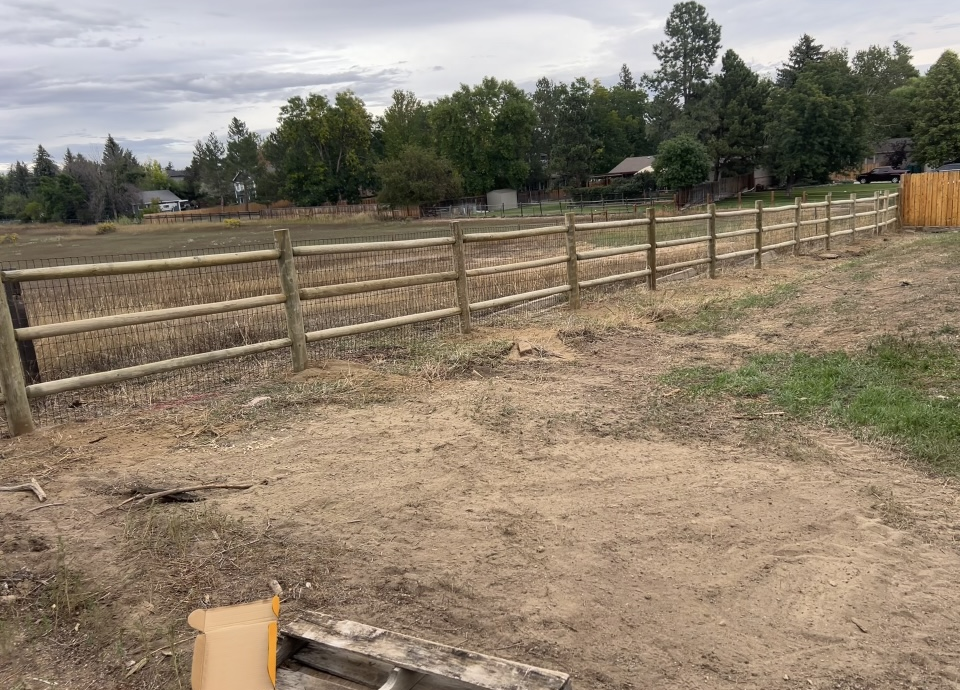
Livestock wander when fence lines fail, and repairing gaps after animals escape costs more than installing durable barriers from the start. Rhodes Fencing & Staining installs livestock and agricultural fencing across properties in Cheyenne where cattle, horses, sheep, or other animals require containment that withstands pressure, weather, and years of use. The fencing materials handle impacts from large animals and resist deterioration from constant outdoor exposure across Wyoming's temperature extremes.
This service addresses needs on working ranches, hobby farms, and rural parcels where acreage size and terrain make lightweight residential fencing impractical. Installation layouts follow property lines, separate pastures into rotational grazing sections, or create secure perimeters around barns and feeding areas. The design accounts for animal behavior, terrain slope, and access points where gates need to accommodate equipment or livestock movement.
Schedule a property walkthrough to assess acreage, terrain features, and livestock containment requirements before finalizing material and layout decisions.
Why Proper Agricultural Fencing Works Long-Term
Posts are driven or set at intervals that prevent sagging across long runs, and wire or rail materials are tensioned to resist pushing from livestock testing boundaries. The installation uses materials rated for agricultural loads rather than decorative purposes, and corner bracing prevents entire fence sections from pulling loose when animals lean or rub against posts. Gates are reinforced with diagonal bracing and heavy-duty hinges that support repeated opening and closing under field conditions.
After installation, you notice livestock remain within designated areas without constant monitoring or repair work. Animals no longer push through weak spots to reach neighboring pastures or roadways, and rotational grazing schedules become practical because fence lines reliably separate sections. The structure holds tension and alignment even after seasons of snow load, wind, and daily contact with animals moving along the fence line.
The service includes post installation, wire or rail attachment, tensioning, and gate hardware mounting. It does not include land clearing, removal of large rocks or stumps, or grading to create level runs where terrain is severely uneven. Ongoing fence checks and minor repairs remain the landowner's responsibility as part of routine property maintenance.
Ranchers and landowners around Cheyenne typically want to understand how material choices and post spacing affect both cost and the ability to contain different types of livestock over time.
What Property Owners Usually Ask
What fencing material works best for cattle versus horses or smaller animals?
Cattle are typically contained with barbed wire or high-tensile smooth wire on sturdy posts, horses require smoother options like polymer-coated wire or pipe rail to prevent injury, and smaller livestock like sheep need tighter mesh spacing to prevent escape.
How does terrain affect fence installation on rural properties?
Steep slopes require posts set deeper or braced to resist downhill pull, and rocky soil may need different anchoring methods compared to areas with deep topsoil, both common across Cheyenne's varied ranch land.
What post spacing prevents sagging in agricultural fencing?
Standard spacing ranges from eight to twelve feet for barbed or high-tensile wire, with closer spacing in areas where animals congregate or where terrain creates unusual stress on fence lines.
How long does agricultural fencing last under Wyoming weather conditions?
Properly installed fencing using treated wood posts and galvanized wire typically lasts fifteen to twenty-five years before major repairs or replacement become necessary, depending on livestock pressure and maintenance consistency.
When should I plan fence installation around grazing schedules?
Installing during late spring or early summer allows the fence to cure and settle before winter, and scheduling work when livestock are rotated to distant pastures avoids interference with animals during construction.
Rhodes Fencing & Staining designs agricultural fencing systems based on the specific animals you raise and the terrain features that affect long-term durability. Arrange a consultation to review your acreage layout and discuss material options that balance cost with the containment strength your operation requires.