Uniform Color That Protects and Defines Property Lines
Fence Painting Services in Cheyenne for fences requiring color consistency, weather protection, and enhanced curb appeal
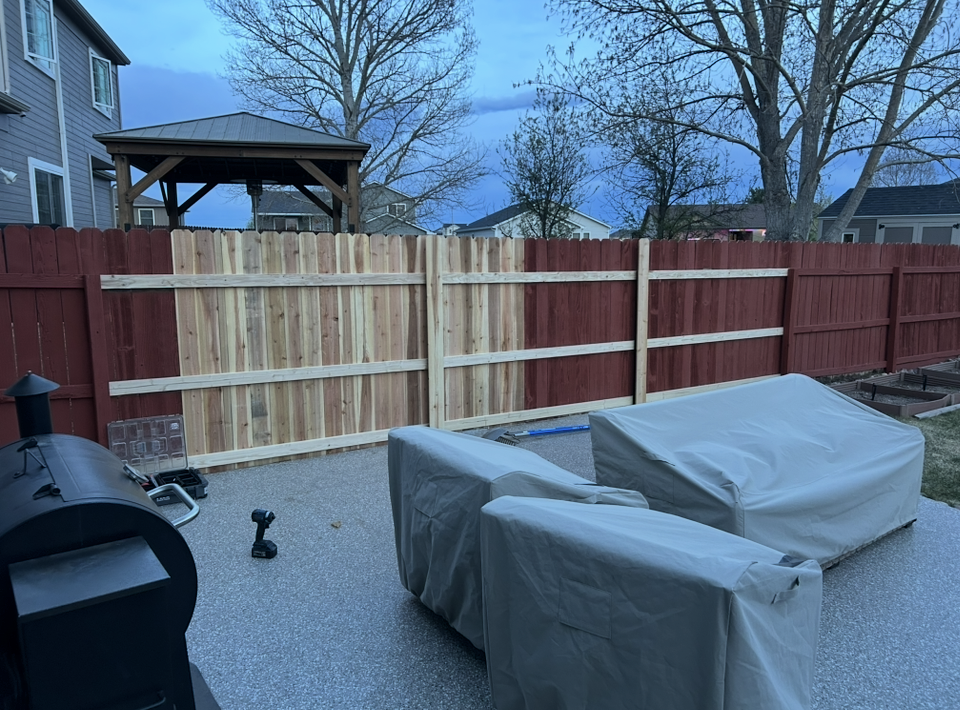
Fences that have been previously painted or that need a solid color finish to match home exteriors require a different approach than staining. Rhodes Fencing & Staining applies weather-resistant coatings that seal wood surfaces while providing uniform color coverage across the entire fence line. The process works for full fence repainting or targeted touch-ups where sections have faded or peeled due to exposure.
Paint creates a protective film over wood that blocks UV rays and repels water, extending the lifespan of fencing that would otherwise degrade from direct sun and precipitation. Surface preparation removes loose paint and smooths rough areas before primer and finish coats are applied, ensuring adhesion and preventing early failure.
Request a detailed estimate based on your fence's current condition, desired color, and whether partial or complete coverage is needed.
What Fence Painting Actually Accomplishes
The painting process addresses both aesthetic goals and structural protection. Primer coats seal the wood and provide a bonding layer for finish paint, while topcoats contain UV inhibitors and moisture barriers that prevent paint breakdown. Rhodes Fencing & Staining uses exterior-grade coatings formulated for wood movement, reducing cracking and peeling as boards expand and contract.
After painting, fences display consistent color without streaks or thin spots, and the surface resists water absorption during rain or snow. Properties gain a cleaner, more finished appearance, and the paint layer acts as a shield against the elements rather than just a decorative finish.
The service covers wood fences but does not include metal or vinyl materials, which require different coating systems. Paint longevity depends on exposure, but most applications perform well for five to seven years before requiring maintenance.
Questions often focus on paint durability, color selection, and how painting compares to other protective options.
What Property Owners Usually Ask
What determines how long paint lasts on an exterior fence?
Durability depends on the quality of surface preparation, the number of coats applied, and exposure to direct sunlight, with south- and west-facing sections typically showing wear first due to UV intensity in Cheyenne's high-altitude climate.
How does painted finish differ functionally from stained finish?
Paint forms a surface layer that completely covers wood grain and provides a moisture barrier, while stain penetrates and allows the wood to breathe, making paint better for uniform color but requiring more maintenance if the coating is damaged.
When should a fence be repainted versus touched up?
Full repainting becomes necessary when more than thirty percent of the surface shows peeling or bare wood, while localized touch-ups work for isolated damage caused by impacts or moisture intrusion at specific boards.
What preparation is involved before paint can be applied?
Loose or flaking paint must be scraped away, bare wood sanded smooth, and all surfaces cleaned of dirt and mildew to ensure proper adhesion, which often takes as long as the actual painting depending on the fence's current state.
Why does paint peel in some areas but not others?
Peeling typically occurs where moisture enters the wood from behind, often at the bottom of boards near soil contact or at horizontal surfaces where water pools, causing the paint film to lift as trapped moisture tries to escape.
Rhodes Fencing & Staining inspects your fence to identify preparation needs and recommend paint systems suited to your property's exposure conditions. Contact the team to discuss color options and schedule painting based on current weather patterns and fence condition.