Open Fencing That Defines Rural Property Lines
Three-Rail / Ranch Style Fencing in Cheyenne for acreage boundaries, livestock areas, and properties requiring visibility with defined separation
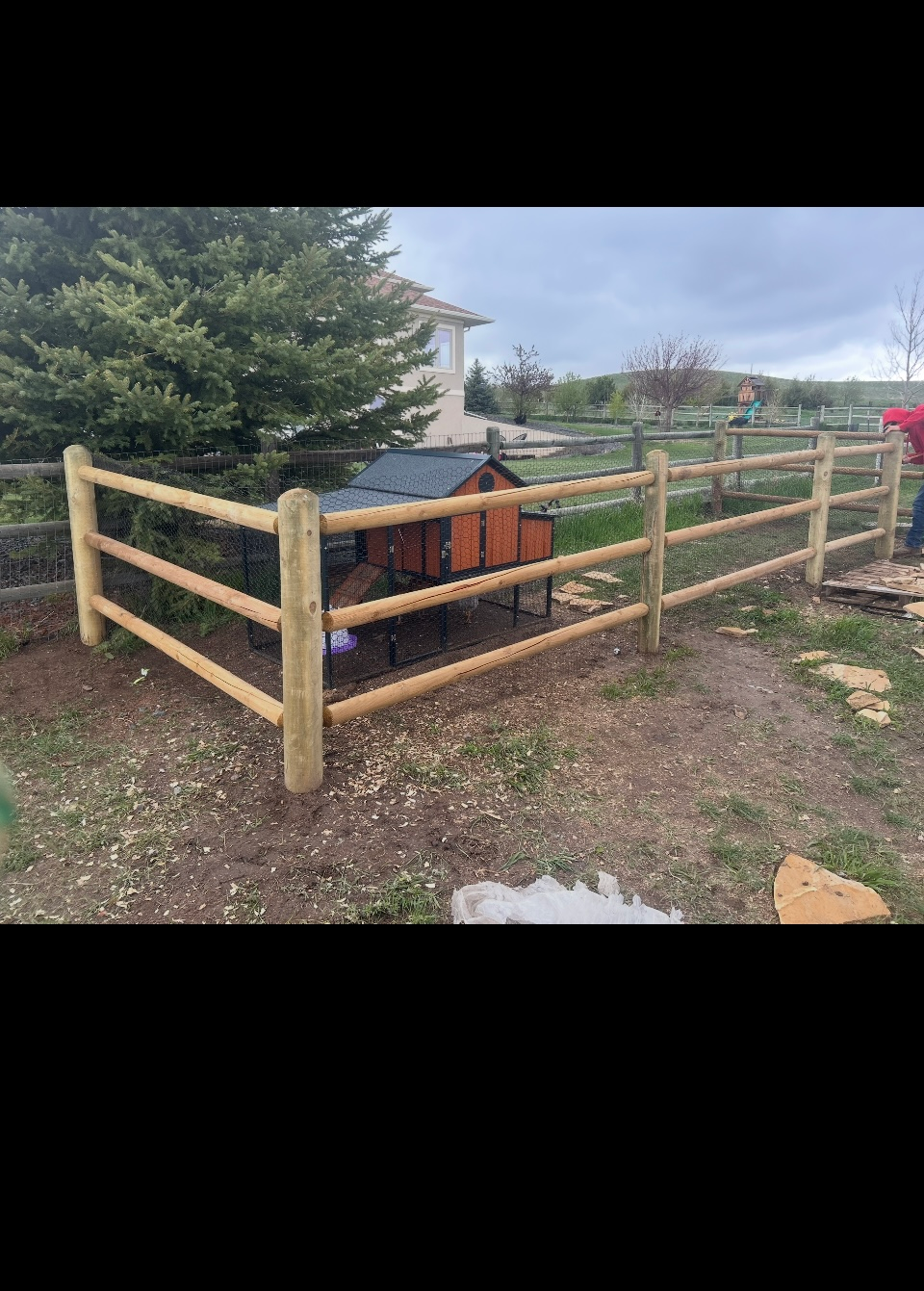
Wide-open Wyoming properties often need boundary markers that define where one lot ends and another begins without blocking sightlines or creating solid wind barriers that fail in high gusts. Rhodes Fencing & Staining installs three-rail ranch fencing for rural homes, small ranches, and acreage subdivisions around Cheyenne where the goal is clear separation rather than privacy or security. After installation, you get a visible property line that livestock and neighbors recognize, wind passes through without stressing the structure, and the wood maintains its structural shape across terrain changes including slopes and grade transitions.
The system uses vertical posts set at eight-foot intervals with three horizontal rails spaced evenly between the top and ground level, creating an open framework that marks boundaries while allowing animals, people, and equipment to remain visible from either side. Wood construction offers natural appearance and sufficient strength for livestock pressure, though the material requires treatment or staining to resist moisture absorption, UV damage, and insect activity common in exposed outdoor environments.
Arrange an on-site consultation to review fence routing, post placement around terrain features, and treatment options for extended wood lifespan.
Why Ranch Fencing Works for Large Properties
Ranch fence installation starts with corner and gate posts set deeper than line posts to handle lateral tension from rails and animal pressure. Rails are attached using nails, screws, or mortised joints depending on longevity requirements and whether the fence needs to be disassembled later. Post depth must extend below frost line to prevent heaving during freeze-thaw cycles, which shift shallow posts out of alignment and cause rails to separate from their attachment points.
Once the fence is complete, you notice posts that remain vertical without leaning, rails that stay level across the run, and spacing that follows property lines even when the ground rises or drops. The structure flexes slightly under animal pressure rather than breaking, and the open design prevents snow accumulation that would load and warp solid panel fences during winter months.
Ranch fencing does not provide security against small animals or intrusion, and the open spacing allows pets and wildlife to pass through freely. It functions as a boundary marker and livestock deterrent rather than a containment barrier, making it unsuitable for properties where full enclosure is required. Custom layouts can incorporate additional rails, reduced spacing, or wire mesh if tighter control is needed without switching to a fully enclosed fence type.
Landowners typically ask about wood treatment schedules, how the fencing handles slope, and whether the open design provides any wind or snow control.
Common Questions About This Fencing Style
What type of wood is used for ranch fencing in this region?
Most installations use pressure-treated pine or spruce for posts and rails, which resists rot and insect damage better than untreated lumber, though untreated wood can be used if you plan to apply stain or sealant regularly.
How does the fence follow sloped or uneven terrain?
Posts are set vertically regardless of ground slope, and rails either follow the terrain in a stepped pattern or remain level with gaps at the bottom varying based on grade, depending on whether you prioritize appearance or livestock containment.
When should the wood be stained or sealed after installation?
Newly installed pressure-treated wood should dry for several months before staining to allow preservatives to cure and moisture to escape, while untreated wood benefits from immediate sealing to prevent rapid weathering and surface cracking.
What is the expected lifespan of ranch fencing?
Properly treated and maintained wood fencing in Cheyenne typically lasts fifteen to twenty-five years, with posts often outlasting rails due to ground contact preservative treatment and rails being more exposed to UV and moisture cycling.
How does open rail fencing perform in high wind areas?
The spacing between rails allows wind to pass through rather than creating surface resistance, reducing stress on posts and preventing the blowdowns common with solid privacy fences during Wyoming windstorms.
Rhodes Fencing & Staining plans custom fence routes for acreage properties throughout Cheyenne, accounting for terrain changes, existing gates, and livestock movement patterns. Request a property assessment to determine post count, rail footage, and treatment recommendations based on your site exposure.