Posts That Hold Through Wyoming Wind
Post Replacement (Hard Posts & Standard) in Cheyenne for rotted bases, wind-damaged sections, and failing structural support
A fence post that's rotted at ground level or cracked from wind stress no longer anchors the fence properly, and the sections it supports start leaning or shifting. Post replacement brings structural stability back by installing new posts at proper depth with anchoring methods suited to soil conditions and exposure. Rhodes Fencing & Staining handles both standard post replacement and reinforced post installation when added strength is required for high-wind areas or heavy fence loads.
Replacement involves removing the compromised post, setting a new post to the correct depth based on fence height and wind exposure, and securing it with compacted soil or concrete depending on the location and load requirements. Reinforced posts use larger dimensions or treated materials rated for ground contact in areas where moisture accelerates decay. The new post is connected to existing rails and panels, restoring the load path that keeps the fence standing vertical.
Request a detailed evaluation to identify which posts need replacement and what anchoring method suits your property's soil and exposure conditions.
How Post Replacement Restores Fence Function
Post replacement begins with assessing why the original post failed—rot from ground moisture, cracking from freeze-thaw cycles, or structural failure from wind load. The new post is selected based on the same factors: standard posts work for interior sections with moderate load, while hard posts or larger-diameter options are used at corners, gates, or high-exposure points where wind pressure concentrates.
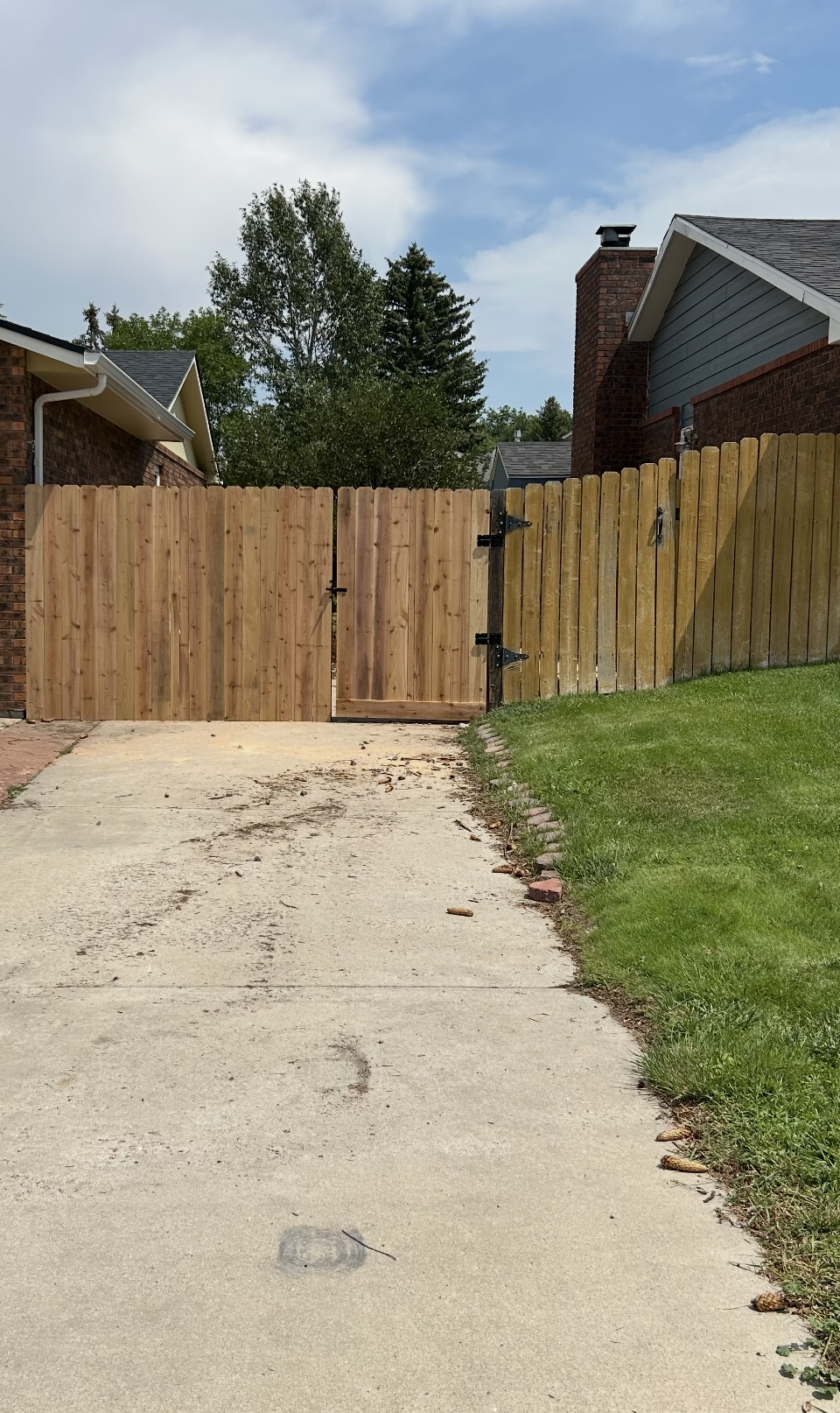
Once the new post is installed, the fence section returns to its original alignment and the panels no longer sag or lean. You'll notice gates close properly again, and the fence line holds straight without wavering in wind. Connections between the post and rails are re-secured with appropriate fasteners, and any previously loose panels tighten back into position.
Post replacement also stops adjacent sections from taking extra stress—when one post fails, neighboring posts and rails bear increased load and deteriorate faster. Replacing the failed post before that happens prevents a sequence of repairs across the fence line.
Post replacement in Cheyenne often involves questions about post types, anchoring depth, and how to address recurring failure patterns in similar soil or wind conditions.
Common Questions About This Service
What's the difference between standard and hard posts?
Standard posts are typically pressure-treated wood sized for general residential fencing, while hard posts use denser wood species, larger cross-sections, or steel-reinforced designs for corners, gates, or areas with high wind exposure. Hard posts resist deflection and cracking better under sustained load.
How deep should fence posts be set in Cheyenne?
Depth depends on fence height and wind exposure, but posts generally go at least one-third of the total post length below grade, with deeper setting required for taller fences or open terrain. Frost heave and soil type also affect the depth and whether concrete anchoring is used instead of compacted earth.
Why do posts rot at ground level?
Moisture collects where the post meets soil, and even treated wood eventually decays if water doesn't drain away. Posts in clay soils or low-lying areas rot faster because water sits around the base longer, and freeze-thaw cycles accelerate the breakdown of wood fibers.
When should I replace multiple posts at once?
If several posts along the same fence line show rot or cracking, replacing them together prevents sequential failures and reduces the number of service visits. It also ensures consistent anchoring and alignment across the entire section.
What anchoring method works best for windy properties?
Posts in high-wind areas benefit from concrete anchoring, which resists lateral movement better than compacted soil alone. The concrete extends below the frost line and surrounds the post base, distributing wind load into stable ground rather than relying on friction with loose or sandy soil.
Rhodes Fencing & Staining selects post types and anchoring methods based on your fence's exposure, height, and the soil conditions across your Cheyenne property. Schedule an on-site consultation to determine which posts require replacement and what reinforcement approach prevents repeat failures.