Perimeter Systems That Require No Annual Upkeep
Vinyl Fencing in Cheyenne for properties where long-term durability and minimal maintenance outweigh upfront material costs
Vinyl fencing eliminates the recurring labor and expense of staining, sealing, and repairing wood systems while providing the same privacy, security, and boundary definition. Rhodes Fencing & Staining installs vinyl fencing designed to resist fading, cracking, and moisture damage under sustained sun exposure and freeze-thaw cycling typical of Wyoming's high-altitude climate. The material maintains its color and structural integrity without the surface degradation that requires sanding or refinishing on wood fences.
Vinyl panels are manufactured with UV inhibitors that prevent color shift and brittleness, and the hollow construction allows the material to flex slightly under wind pressure without cracking or splitting. Installation involves reinforced posts and rails engineered to support the weight and wind load of full-height panels, with fasteners and brackets designed specifically for vinyl's expansion and contraction rates.
Arrange a consultation to review vinyl style options and compare long-term costs against wood or metal alternatives based on your property's exposure and use.
How Vinyl Performs Over Years of Weather Exposure
Vinyl fencing resists rot, insect damage, and moisture absorption that degrade wood, and it doesn't rust or corrode like metal systems exposed to snowmelt and irrigation runoff. The smooth surface sheds dirt and doesn't hold moisture in cracks or joints, which means cleaning involves occasional rinsing rather than scrubbing or chemical treatment.
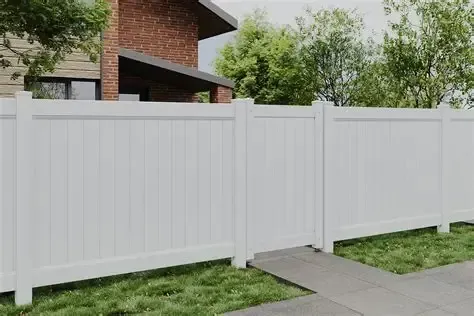
After installation, you'll have a fence that remains white or the original color without annual staining, shows no signs of warping or cupping as seasons change, and requires no more maintenance than washing with a garden hose when dust or pollen accumulates. The material doesn't splinter, so it's safe for contact with children and pets, and it won't bleed sap or tannins that stain adjacent surfaces.
Vinyl is available in privacy, semi-privacy, and decorative picket styles, with options for lattice tops, scalloped edges, and color-matched gates. The upfront cost is higher than pressure-treated wood, but the total expense over ten to fifteen years is often lower when you account for eliminated staining, repair, and board replacement costs.
Property owners considering vinyl often want to understand durability claims, installation differences, and how the material compares to traditional options.
Answers to Frequent Vinyl Fencing Questions
What causes vinyl fencing to crack or become brittle?
Low-quality vinyl without adequate UV inhibitors will degrade under prolonged sun exposure, and impacts during cold weather when the material is less flexible can cause cracking. Higher-grade vinyl formulated for outdoor use resists both issues.
How is vinyl fencing cleaned when dirt or mildew accumulates?
Most surface contamination rinses off with water pressure from a standard garden hose, and stubborn spots respond to mild soap or a diluted bleach solution without damaging the material or finish.
Does vinyl fencing expand and contract with temperature changes?
Yes, vinyl moves more than wood or metal as temperatures fluctuate, so installation includes allowances for expansion in fasteners and panel connections to prevent buckling in summer heat or pulling apart in winter cold.
Why does vinyl cost more upfront than wood fencing?
The material itself is more expensive to manufacture and transport, and installation requires specialized brackets and reinforcement methods that add labor time compared to nailing wood boards to rails.
How long does vinyl fencing typically last in Cheyenne's climate?
Quality vinyl systems installed with proper post anchoring and wind bracing routinely perform for twenty years or more without structural failure, color fading, or the need for component replacement beyond occasional gate hardware adjustments.
Rhodes Fencing & Staining provides material samples and warranty information during the planning phase so you can assess vinyl's suitability for your property and budget. Call (307) 220-0448 to schedule a site visit and receive a detailed comparison of vinyl versus other fencing materials based on your specific needs.