
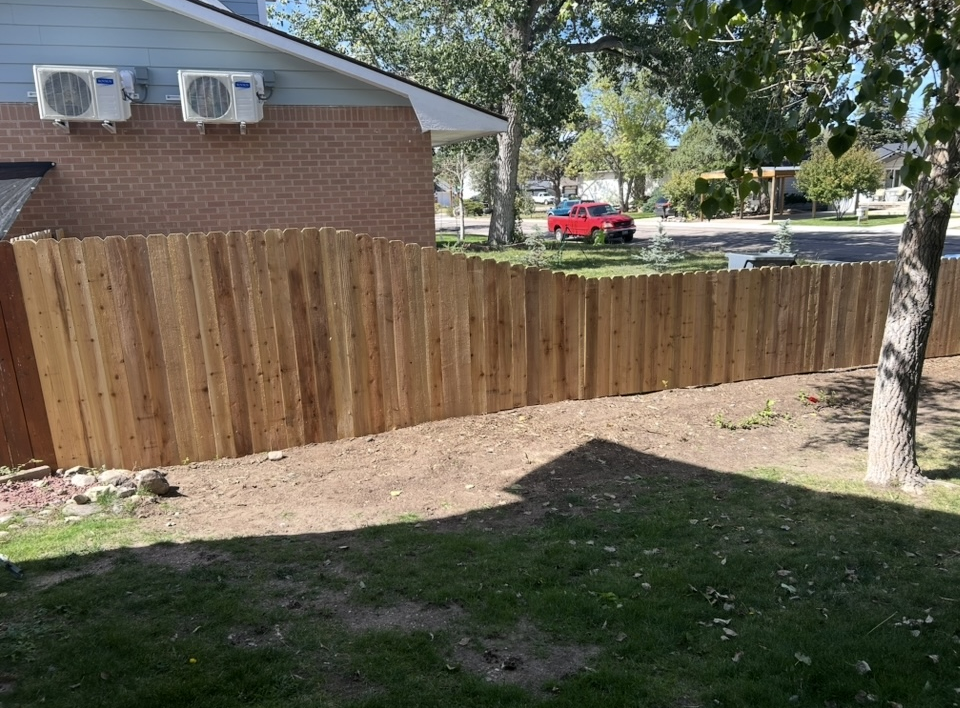
Preventative Treatment That Stops Damage Before It Starts
Wood Protection & Weatherproofing in Cheyenne for fencing exposed to moisture, UV radiation, and rapid temperature cycling
Cheyenne's combination of intense sunlight, low humidity, and sudden temperature drops creates conditions that rapidly degrade untreated wood fencing through surface cracking, grain separation, and moisture intrusion at exposed end grain. Preventative treatment addresses these factors before visible damage occurs, reducing long-term repair costs and maintaining fence strength. Rhodes Fencing & Staining applies protective coatings designed specifically for harsh weather environments, working on both new installations and existing fences that haven't yet developed structural issues.
The weatherproofing process uses penetrating sealants that block UV rays while repelling water, preventing the rot and decay that starts when moisture enters wood and becomes trapped. Treatment pays particular attention to horizontal surfaces, post tops, and cut ends where water infiltration is most likely.
Schedule a property evaluation to assess current fence condition and determine the appropriate treatment approach based on wood type and exposure.
Why Preventative Treatment Works for Long-Term Durability
Weatherproofing works by creating a barrier that slows moisture absorption and blocks ultraviolet light from breaking down lignin, the natural polymer that holds wood fibers together. Without this protection, wood loses structural integrity as fibers separate and the surface becomes porous, accelerating decay once moisture enters.
Treated fences maintain their original surface texture and color rather than turning gray, and boards resist the cupping and warping that occur when one side of the wood absorbs moisture faster than the other. Posts remain solid at the soil line, where untreated wood typically fails first due to constant ground moisture contact.
Treatment intervals depend on the product used and exposure severity, but most weatherproofing applications require reapplication every four to six years. Fences in full sun locations or areas with poor drainage need attention on the shorter timeline.
Property owners often ask about treatment timing, what the process protects against, and how weatherproofing differs from other finishing options.
Answers to Frequent Service Questions
What specific types of damage does weatherproofing prevent?
The treatment blocks UV degradation that weakens surface fibers, repels water that causes rot and mold growth, and reduces the expansion-contraction cycles that loosen fasteners and cause boards to split along the grain.
How soon after fence installation should weatherproofing be applied?
New pressure-treated lumber should weather for sixty to ninety days to allow preservatives to stabilize and moisture content to drop, while untreated wood species can be sealed within two to three weeks once construction moisture dissipates.
Why is weatherproofing particularly important in Cheyenne?
The high-altitude location intensifies UV exposure compared to lower elevations, and the combination of dry air with periodic heavy snow creates rapid wetting and drying cycles that stress wood more than consistent humidity levels found in other climates.
What indicators suggest a fence needs weatherproofing treatment?
Wood that shows gray discoloration, raised grain texture, or water absorption when sprayed rather than beading indicates the protective layer has degraded and moisture barriers need restoration.
How does weatherproofing affect fence maintenance requirements?
Treated wood requires less frequent cleaning, develops fewer splinters and rough patches, and needs structural repairs less often because moisture-related decay is minimized throughout the fence's lifespan.
Rhodes Fencing & Staining evaluates wood condition and exposure factors to recommend weatherproofing timing and product selection. Arrange an inspection to review your fence's current protection status and establish a treatment schedule that prevents costly damage before it develops.