Boundaries That Eliminate Neighbor Confusion
Property Line Fence Installation in Cheyenne for homes and rural parcels where ownership edges need visible definition
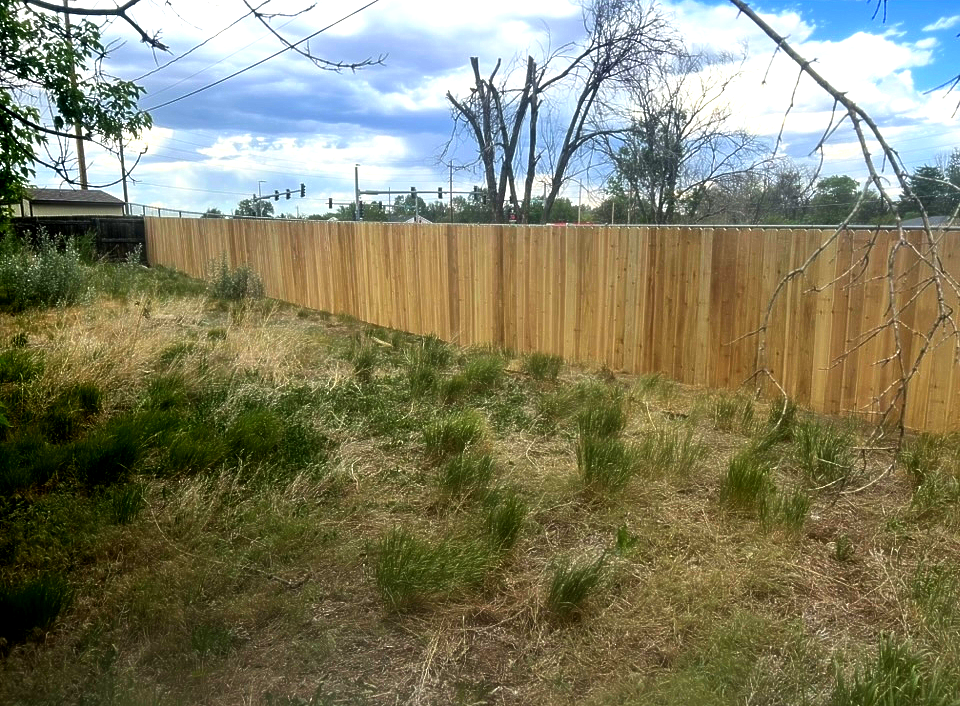
Rhodes Fencing & Staining handles property line fence installation in Cheyenne by working directly with existing survey data or layout plans to mark ownership boundaries. You avoid future disputes when the fence sits exactly where the legal description places it. The installation creates a permanent reference point that defines where your land ends and the neighboring parcel begins.
This service addresses situations where property edges have never been marked, where older fences have deteriorated beyond repair, or where new construction requires clear boundary identification. Accurate placement prevents conflicts over lawn equipment paths, garden beds, or accessory structures built near the line. The work relies on verified survey stakes or professional layout plans to confirm measurements before posts go into the ground.
Schedule a property evaluation to review your survey documentation and confirm boundary coordinates.
How Accurate Placement Prevents Long-Term Problems
The installation process starts with confirming the legal boundary using survey markers or a recorded plat. Fence posts are set along the line at intervals that maintain straight runs and account for changes in slope or terrain. You receive a structure that matches your ownership documents rather than visual estimates or assumptions about where the line should be.
Once the fence is finished, you notice a clear division between properties that eliminates guesswork during yard maintenance and planting. Neighbors no longer need to estimate where mowing should stop or where landscaping projects cross into adjacent land. The fence provides a visible reference that matches surveyed corners and recorded easements.
The service includes post placement, rail or panel installation, and alignment checks against survey data. It does not include creating new surveys or resolving legal disputes over boundary interpretations. If existing markers are missing or unclear, a licensed surveyor may need to re-establish corners before installation begins.
Property owners in Cheyenne often want to understand how survey data translates into physical fence placement and what happens when terrain complicates straight runs.
Questions Before Starting Your Project
What happens if my property has no visible survey markers?
A licensed surveyor can re-establish boundary corners using recorded plat data and neighboring monuments, after which fence installation follows the verified line.
How does the installation handle slopes or uneven ground along the boundary?
Posts are set at depths that account for frost heave common in Cheyenne winters, and panels or rails step or rack to follow grade changes while maintaining the property line.
What materials work best for property line fences in residential areas?
Wood and vinyl both provide clear visual boundaries, while metal options like chain link or ornamental iron suit properties where long sight lines or livestock considerations matter.
When should I install a property line fence instead of waiting?
Installing before landscaping or outbuilding projects prevents accidental encroachment, and fencing during dry months in Cheyenne allows easier post digging in soil that hasn't frozen or turned muddy.
What documentation should I have before installation starts?
A current survey showing boundary dimensions, corner markers, and any easements gives installers the reference points needed to place posts accurately without guesswork.
Rhodes Fencing & Staining works from verified boundary data to ensure your fence reflects actual ownership lines rather than approximations. Request an on-site consultation to review your survey and discuss layout options that match your property's recorded dimensions.